
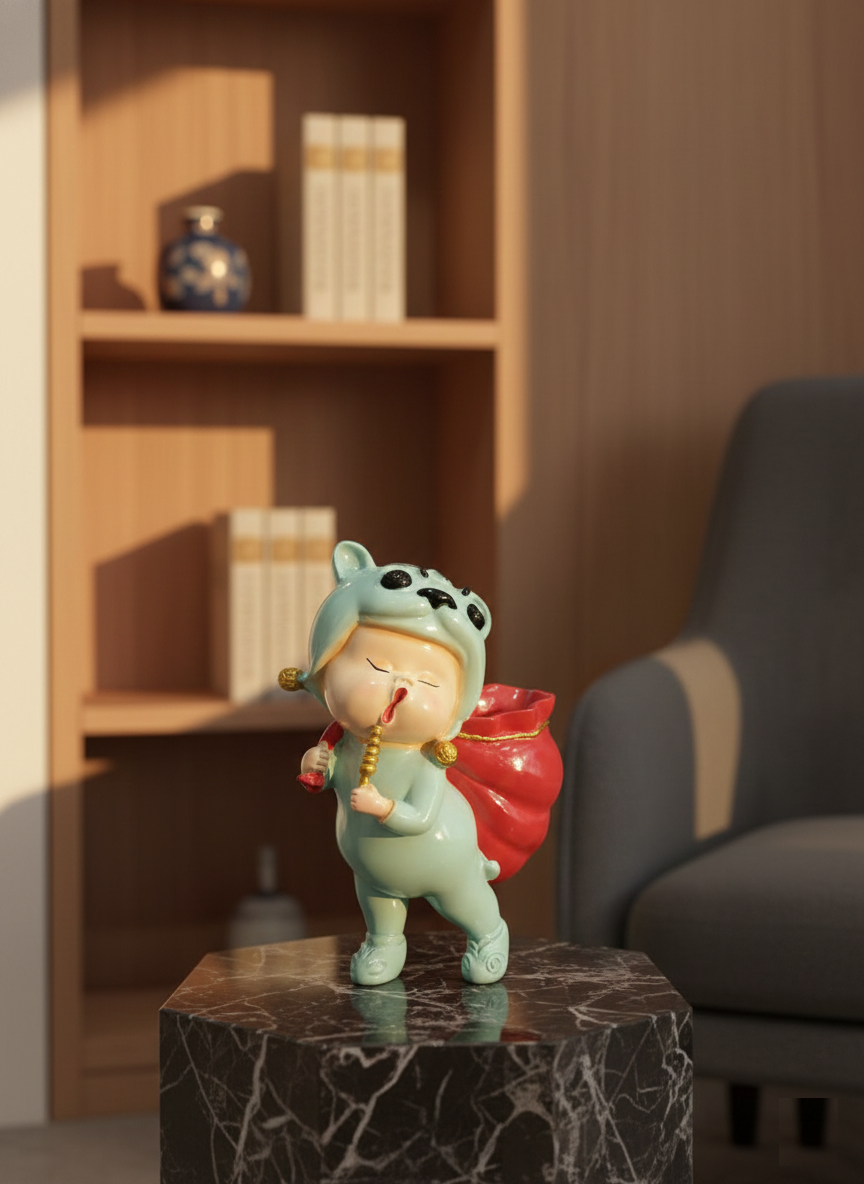

Why Home Decor suddenly feels like a personality trait
Home decor used to mean matching curtains and cushions, that’s it. Now it feels more like a quiet personality test. You walk into someone’s place and instantly know if they’re calm, chaotic, or pretending to be minimal. I used to think this was overthinking, but scrolling through reels at 1 a.m. kind of proved me wrong. People aren’t decorating homes anymore, they’re decorating feelings. And yeah, I’ve done it too — bought a lamp I didn’t need just because my room felt emotionally empty, whatever that means.
Home Decor isn’t luxury, it’s more like daily comfort math
This is where Home Decor starts making sense. Think of it like budgeting comfort instead of money. A good chair is like a reliable friend — boring, supportive, and always there when your back hurts. A soft rug is basically a pause button after a long day. There’s a small stat I read somewhere online (can’t remember the exact source, sorry) saying people feel up to 20% calmer in spaces they’ve personalized themselves. Sounds believable, honestly.
The mistake most people make early on
Most of us start with looks instead of usage. I once bought a decorative table that looked amazing in photos but couldn’t even hold a coffee mug properly. Home decor works best when it behaves like your daily routine — flexible, slightly messy, but useful. Online chatter backs this up too. Comment sections are full of people saying looks good, but where do you sit? which is harsh but fair.
Trends are loud, but your house doesn’t have to be
If social media trends moved into our homes permanently, we’d all be exhausted. One week it’s bold colors, next week everything must be beige or you’re apparently outdated. My honest take? Trends are like background music at a café. Nice to notice, but you shouldn’t redesign your entire mood around them. Homes should feel like playlists you don’t skip.
Money talk, without making it scary
People assume home decor is expensive, but that’s only true if you treat it like a one-day transformation. I see it more like grocery shopping. You don’t buy everything at once, you add things slowly. Spread the cost, avoid regret. Financially, this works because small upgrades don’t hurt as much, and emotionally, it feels rewarding. Kind of like upgrading your phone wallpaper before buying a new phone.
Emotional return on investment is underrated
Nobody really talks about this, but decor gives emotional ROI. A well-lit corner can improve your mood more than a weekend shopping spree. That sounds dramatic, but ask anyone who works from home. There’s also quiet online sentiment around healing spaces, which I thought was nonsense until I rearranged my desk and felt instantly better. Placebo? Maybe. Still worked.
Living spaces change as people do
Your home at 25 doesn’t need to look like your home at 35. That’s normal. I’ve seen people stress over consistency like it’s a brand identity. Homes should evolve, just like wardrobes and habits. Home decor isn’t about getting it right forever. It’s about adjusting when life changes, moods shift, or when you realize that bean bag wasn’t such a great idea after all.
Final thought, slightly unpolished but honest
If your home feels off, it’s probably not missing money or trends. It’s missing you. Add things that feel familiar, useful, or oddly comforting. That’s the kind of decor that lasts longer than any viral post.