

Vascular surgery encompasses the treatment of diseases affecting the arteries and veins throughout the body, from aortic aneurysms and carotid artery disease to peripheral arterial disease and deep vein thrombosis. The consequences of vascular disease can be severe, stroke, limb loss, or fatal haemorrhage, making the quality of vascular surgical care one of the most consequential factors in patient outcomes. Understanding what defines the best vascular surgeon today helps patients and families make more informed decisions when facing conditions that require specialist vascular care.
The Scope of Vascular Surgery
Vascular surgery has evolved dramatically over the past two decades, with endovascular techniques, catheter-based procedures performed through small skin punctures under imaging guidance, replacing open surgery for a growing proportion of vascular conditions.
The best vascular surgeons today are comfortable with both:
- Open vascular surgery: bypass procedures, endarterectomy, and aneurysm repair through conventional incisions
- Endovascular procedures: stenting, angioplasty, EVAR, and TEVAR performed through catheter-based approaches
A surgeon skilled in both modalities can choose the approach best suited to each individual patient’s anatomy and clinical condition, rather than defaulting to the technique they perform most frequently regardless of whether it is optimal for that case.
When Should You See a Vascular Surgeon?
Early assessment by a vascular surgeon can help prevent complications and improve treatment outcomes. Many vascular conditions progress gradually, and symptoms that appear minor at first may indicate an underlying circulation problem requiring specialist evaluation.
You should consider consulting a vascular surgeon if you experience:
- Persistent leg pain while walking that improves with rest
- Non-healing wounds or ulcers on the feet or legs
- Sudden swelling, pain, or redness in a limb
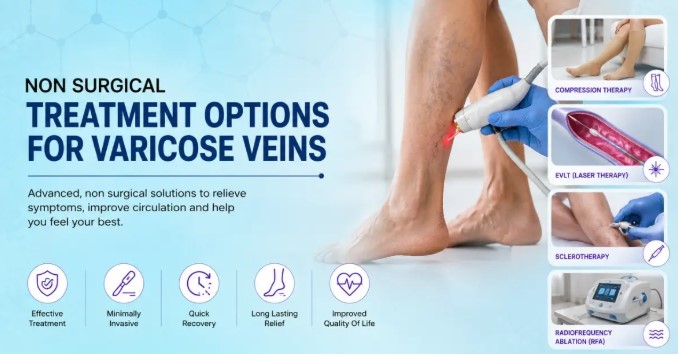
- Visible varicose veins causing discomfort or skin changes
- A pulsating lump in the abdomen
- Transient weakness, numbness, or difficulty speaking that may indicate reduced blood flow to the brain
Prompt diagnosis allows treatment to begin before serious complications such as stroke, limb damage, or aneurysm rupture occur. A vascular surgeon can recommend the most appropriate management, ranging from lifestyle changes and medication to minimally invasive procedures or surgery.
Brain Stroke Treatment in Ahmedabad and Vascular Surgery: The Connection
Brain stroke treatment in Ahmedabad frequently involves the vascular surgical team, particularly for stroke caused by carotid artery stenosis. Carotid endarterectomy, surgical removal of atherosclerotic plaque from the carotid artery, is one of the most evidence-based interventions in vascular surgery, reducing the risk of stroke in patients with symptomatic high-grade carotid stenosis by approximately 50%. A vascular surgeon with genuine experience in carotid surgery, working alongside the neurology and interventional neuroradiology team, provides superior stroke prevention outcomes compared with a team without this integrated expertise.
Training and Experience
What Qualifications and Experience Should the Best Vascular Surgeon in Ahmedabad Hold?
- MS (Surgery) as the primary surgical qualification, with MCh or DNB in vascular surgery as the higher specialty qualification
- Fellowship training in a recognised vascular surgery centre, ideally with exposure to both open and endovascular techniques
- Adequate procedural volume — surgeons performing vascular procedures at higher volumes consistently achieve better outcomes than those performing them rarely
- Membership and active participation in recognised vascular surgery professional associations
Volume matters particularly in high-complexity vascular procedures. Outcome data for aortic aneurysm repair, for example, consistently shows better survival in centres and surgeons performing higher numbers of these cases.

Communication and Patient-Centred Decision Making
Technical skill is necessary but not sufficient for excellence in vascular surgery. The best vascular surgeons are also excellent communicators who:
- Explain the diagnosis and its implications clearly in non-medical language
- Present all treatment options honestly, including non-surgical options where these are appropriate
- Discuss risk in a way that is meaningful to the individual patient — not just as statistical percentages but in terms of what it means for that patient’s specific situation and priorities
- Involve the patient as an active partner in the treatment decision rather than directing them toward a predetermined choice
Multidisciplinary Working
Vascular disease rarely exists in isolation. Patients with peripheral arterial disease often have coronary artery disease, hypertension, and diabetes simultaneously. Effective management requires coordination between vascular surgery, interventional radiology, cardiology, diabetology, and nephrology.
| Vascular Condition | Other Specialties Often Involved |
| Carotid artery disease | Neurology, interventional neuroradiology |
| Aortic aneurysm | Cardiology, anaesthesia, intensive care |
| Peripheral arterial disease | Diabetology, wound care, orthopaedics |
| Renal artery stenosis | Nephrology, interventional radiology |
| DVT/PE | Haematology, pulmonology |
The best vascular surgeon in Ahmedabad works effectively within this multidisciplinary environment, ensuring that patients benefit from the full range of relevant expertise rather than receiving single-specialty care for a condition that crosses multiple specialist boundaries.
Outcomes Transparency
Excellent vascular surgeons track their outcomes — mortality rates, complication rates, reintervention rates — and are willing to share this information with patients who ask. Outcome transparency is both a mark of genuine confidence in the quality of care delivered and an essential component of informed patient consent.
Conclusion
The best vascular surgeon in Ahmedabad today combines technical excellence in both open and endovascular approaches with outstanding communication, genuine multidisciplinary working, and a commitment to outcomes transparency. These qualities together define surgical care that is not just technically accomplished but genuinely patient-centred and safe. Dev Hospital’s vascular surgery team embodies these standards, providing comprehensive vascular care in Ahmedabad for patients with the full range of arterial and venous conditions, supported by the imaging, interventional, and multidisciplinary infrastructure that modern vascular surgery demands.